Safe, professional ear wax removal in Tilehurst & Reading using microsuction and ear syringing.
Microsuction and ear syringing
Safe, professional relief for blocked ears.
Blocked, itchy or uncomfortable ears? Reduced hearing or a “full” sensation could be caused by a build-up of earwax. At Livingstons Hearing and Vision Care in Tilehurst, we offer safe, professional ear wax removal using both microsuction and ear syringing techniques.
Our experienced audiologists provide quick relief in a calm, clinical setting, trusted by residents across Tilehurst and the Reading area.
In the UK, ear wax removal is currently unregulated. Since routine NHS ear wax removal became less available, many short courses have appeared, sometimes lasting only one or two days and aimed at people with little clinical background.
Poor technique can cause harm
We have seen patients with ear canal damage, incomplete wax removal and repeat visits after unsuitable treatment elsewhere. Microsuction is very safe in trained hands, but it still needs anatomical knowledge, clinical judgement and the right equipment.
Qualified audiologist-led care
At Livingstons, your appointment is carried out by a fully qualified HCPC-registered audiologist with over 9 years of clinical experience. Livingston completed microsuction training at Aston University Birmingham in 2017.
Over 6,000 procedures completed
We use hospital-grade equipment, video otoscopy and careful post-procedure checks. If we see anything that needs medical attention, we explain it clearly and advise the right next step instead of simply removing wax and sending you away.
Micro-Suction ear wax removal
What is micro-suction ear wax removal?
Micro-suction is a precise method of removing ear wax using a fine sterile suction probe and specialist magnification. Unlike home remedies or cotton buds, it allows the clinician to see the ear canal clearly while removing wax in a controlled way.
It is often suitable for people who have blocked ears, reduced hearing, ear fullness, itchy ears, tinnitus made worse by blockage, or wax build-up before a hearing test or hearing aid fitting.
We inspect the ear canal before treatment, so we know whether wax is actually present.
We choose the safest method for the ear on the day, including micro-suction or ear syringing where appropriate.
We stop and reassess if the ear looks inflamed, painful or unsuitable for treatment.
Before you visit
How to Prepare for Your Ear Wax Removal Appointment
Soften the wax first
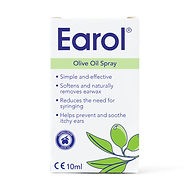
For best results, use a wax softener such as Earol olive oil spray for 3-5 days before your appointment, unless our audiologist has advised otherwise. Softened wax is usually easier and more comfortable to remove.
Avoid cotton buds
Do not use cotton buds, ear candles or metal tools. These can push wax deeper, irritate the ear canal or increase the risk of eardrum damage.
Tell us about ear history
Let us know if you have had ear surgery, a perforated eardrum, recent infection, ear pain, discharge, dizziness, tinnitus changes or sensitivity to loud sound. This helps us decide the safest approach.
If wax is not the cause
If no wax is found, or your hearing does not improve after removal, we can explain what we see and recommend a hearing screening, full hearing test or medical referral where appropriate.
Need drops before your visit?
Earol-style olive oil softeners are a simple way to prepare the ear canal before removal. You can ask us what to use when booking, or pick up suitable preparation products from the clinic if needed.
Do not use drops if you have been told you have a perforated eardrum, active infection or if drops cause pain. Contact us first and we will advise.
Appointment journey
What Happens During Micro-Suction Ear Wax Removal Appointment?
01
Medical history and suitability check
We ask about ear surgery, perforations, infections, pain, discharge, dizziness, tinnitus, current medication and previous wax removal. This checks whether micro-suction is suitable and whether any extra caution is needed.
02
Consent and risk explanation
Before treatment, we explain what we are going to do, what you may feel or hear, and the small risks involved, such as temporary dizziness, loud suction noise, mild discomfort or irritation. Treatment only starts once you are happy to proceed.
03
Video otoscopy ear check
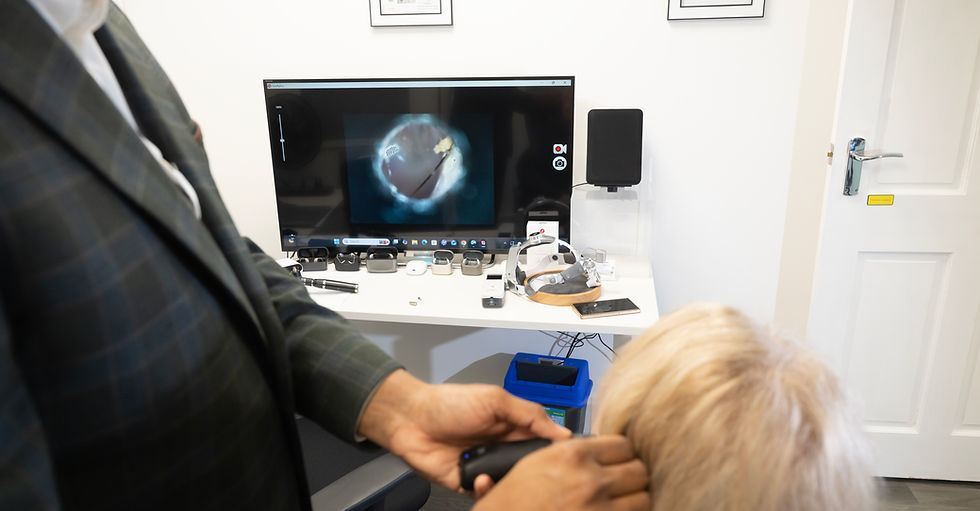
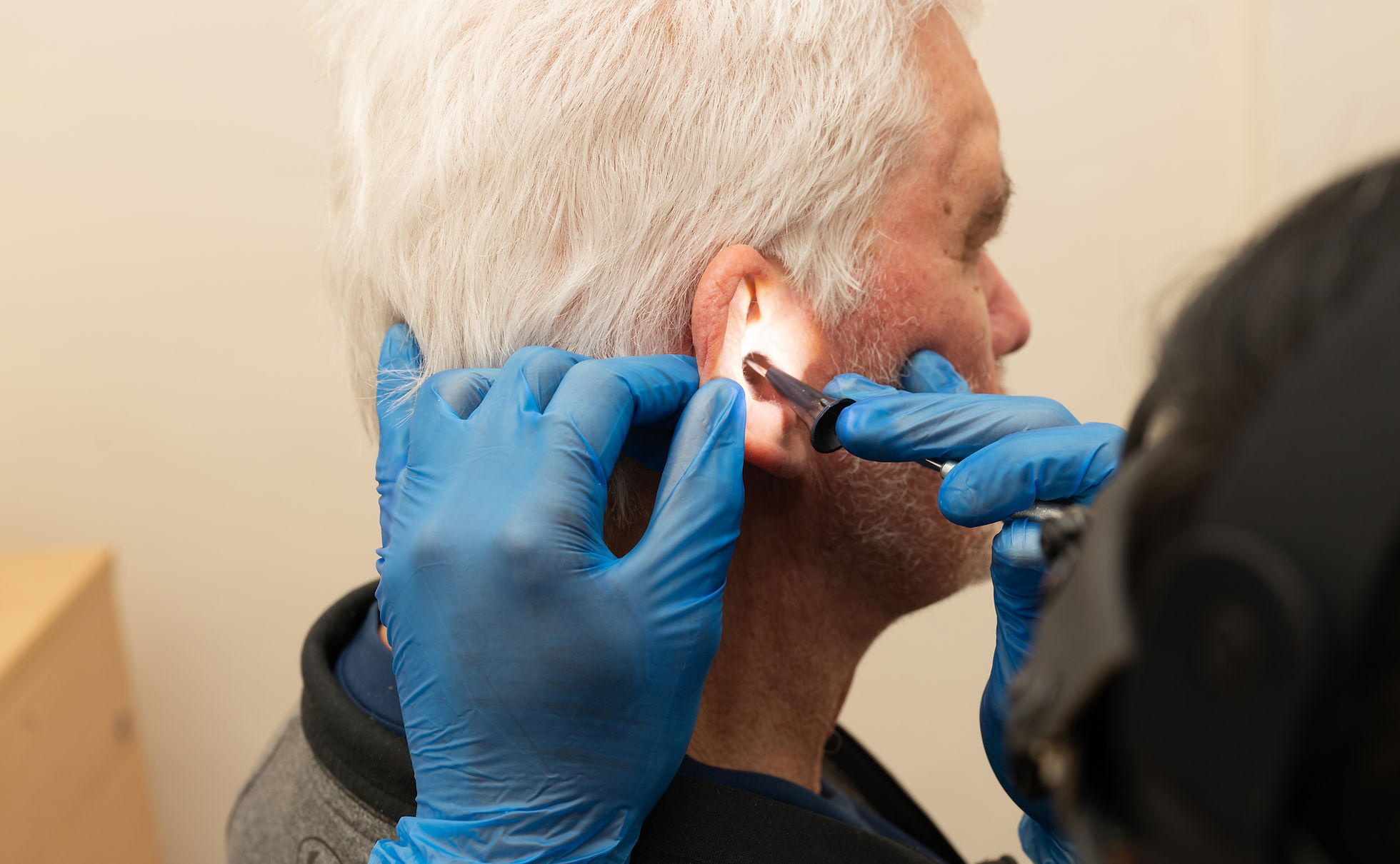
We inspect both ears using otoscopy or video otoscopy to confirm whether wax is present, where it is sitting, and whether the ear canal and eardrum look healthy enough for treatment.
04
Comfortable positioning and preparation
You remain seated and comfortable. We may use a protective drape and talk you through the process so you know what to expect before the suction probe is used.
05
Wax removal with specialist equipment
A fine sterile suction probe is gently guided into the ear canal under magnification. Wax is removed gradually, with pauses if needed. Where micro-suction is not the best method, we discuss suitable alternatives.
06
Final ear check and aftercare advice
After removal, we re-check your ears to make sure the canal is clear and the eardrum is visible. We explain what we found, give aftercare advice and recommend a hearing test or medical referral if your symptoms suggest something more than wax.
Cost of Microsuction Age 16+
£55One ear
£65Both ears
£35Consultation if no wax is found
£80No wax found plus full hearing test and medical referral if required
Book an appointment online
Book an appointment at our Reading Tilehurst clinic to come in and see us. Disabled access is available, and parking instructions are available when booking.
Earwax helps protect the ear canal and delicate inner structures by trapping dust, dirt and debris before they reach the eardrum, reducing the risk of infection.
Moisturising
Earwax contains natural oils that help keep the skin inside the ear canal from drying out and becoming irritated.
Self Cleaning
The ear canal is designed to be self-cleaning. As new earwax is produced, it gradually moves outwards and carries trapped debris with it.
Healthy Ears
Earwax is normal and necessary, but excessive build-up can cause fullness, ear pain or difficulty hearing. Avoid cotton buds, as they can push wax deeper and risk damaging the eardrum.